Religious leaders have been urged to remain non-partisan and keep political endorsements away from the pulpit, as Nigeria prepares for another election season.
The call was made by the Founder of The New Seraph Evangelical Ministries Worldwide and Iya Aladura General, Dr Oluwaseye Yomi-Sholoye, during the eighth edition of the Night of Divine Experience in Ogun State on Friday.
Yomi-Sholoye said church leaders have a duty to protect the spiritual integrity of the church by remaining fair and impartial, regardless of their political affiliations.
She warned that turning the pulpit into a platform for political campaigns or endorsements could undermine the church’s spiritual responsibility.
According to the cleric, the primary role of religious leaders is to proclaim biblical truths, promote justice and provide spiritual guidance to everyone, irrespective of their political choices.She said religious leaders should also be willing to speak truth to those in power rather than become instruments for promoting political parties or candidates.
Her comments come as political activities intensify ahead of Nigeria’s 2027 general elections. Religious leaders and faith-based organisations often command significant influence within communities, making their public positions capable of shaping voters’ choices.Yomi-Sholoye also spoke against vote-buying and other forms of voter inducement. She urged Nigerians not to exchange their votes for money or other material benefits.
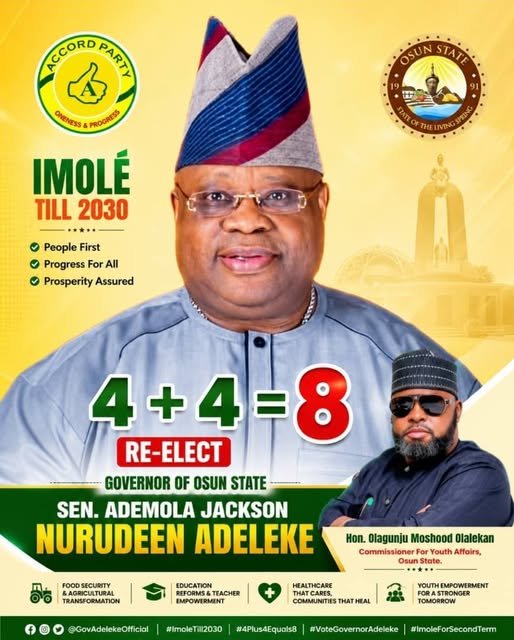
Instead, she advised voters to assess candidates based on their competence, previous records in public office and plans for development.The cleric made the appeal particularly to voters in Osun State, where the governorship election is taking place on Saturday.
She urged eligible voters to examine the records of the candidates before making their choices, noting that several of them had previously occupied political offices.
Yomi-Sholoye said voters should consider what the candidates achieved in their previous positions and whether they have the ability to provide effective leadership.
The appeal reflects wider concerns about the role of money, religion and political influence in Nigerian elections. While religious leaders can participate in public discussions and encourage citizens to vote, the cleric argued that the church should not become an extension of any political party.
She maintained that the pulpit should remain a place where people of different political affiliations can receive spiritual guidance without feeling pressured to support a particular candidate.
As Osun voters head to the polls, her message places the responsibility of choosing political leaders firmly on individual voters. She urged them to make informed decisions based on leadership records and competence rather than financial inducements or religious endorsements.