
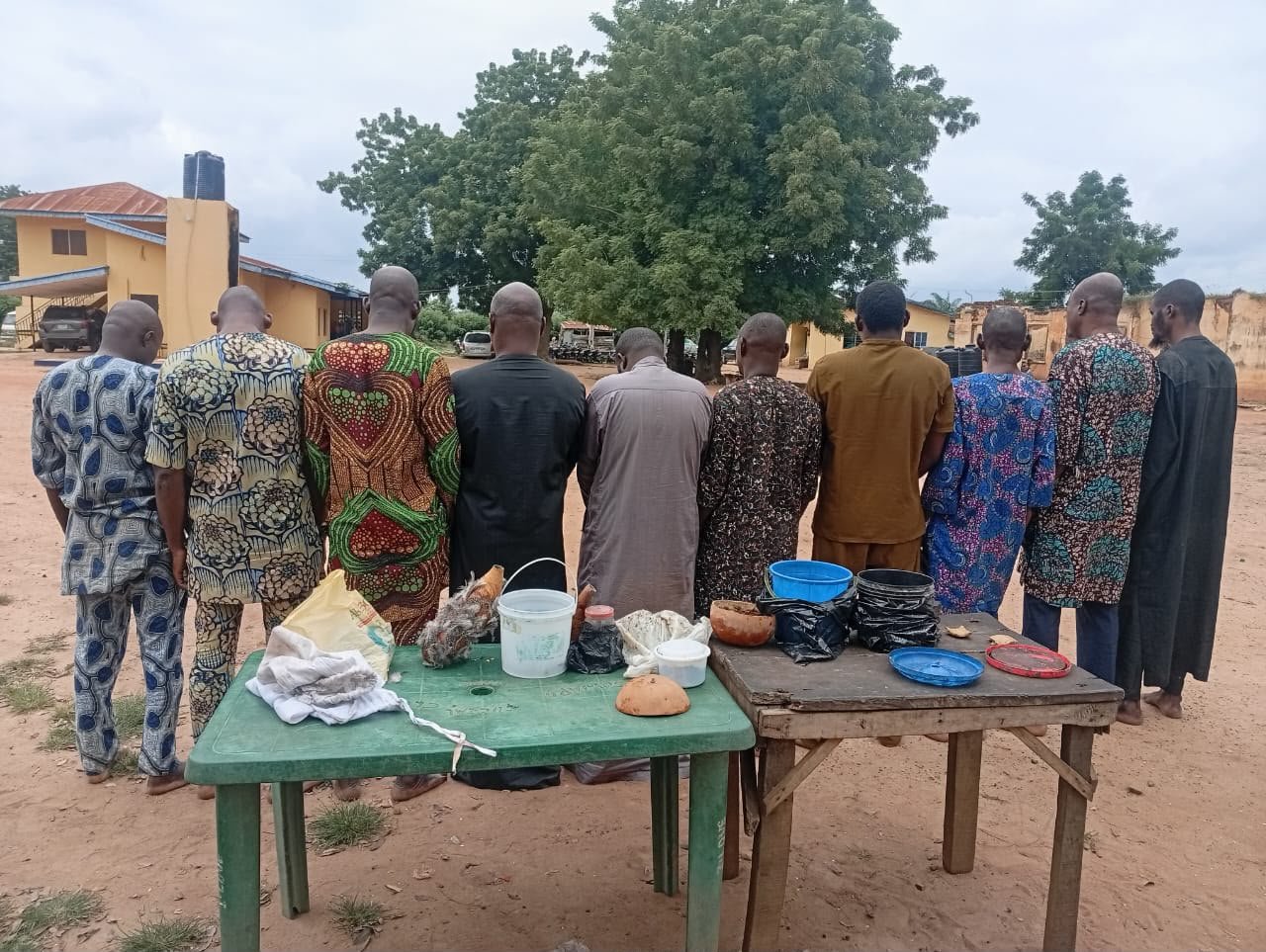
The Oyo State Police Command has arrested 10 suspects accused of being involved in the illegal trade in human body parts in different parts of the state. The suspects were arrested during separate operations carried out in the Iseyin and Saki areas of Oyo State, according to the police. The arrests followed intelligence received by security operatives about alleged activities connected to the sale and possession of human parts. Police operatives reportedly moved to the locations after receiving the information and arrested the suspects. Investigators are now working to establish the source of the suspected human parts and determine the extent of the suspects’ involvement in the alleged trade. The development has raised fresh concerns over criminal activities involving human remains in parts of Oyo State. The police have continued to rely on intelligence gathering and targeted operations to identify individuals suspected of participating in such crimes. The command is expected to investigate whether the suspects operated independently or were connected to a wider network involved in obtaining, transporting or selling human parts. The identities of the suspects and the specific human parts allegedly recovered from them were not immediately disclosed in the report. The arrests also come amid broader concerns about criminal networks operating in some communities across the state. Security agencies have repeatedly urged residents to report suspicious activities and provide information that could assist investigations. The police are expected to conduct further investigations before determining the next legal steps against the suspects. Authorities have not said whether the suspects have admitted to the allegations or disclosed the identities of other people who may be involved. The arrests remain allegations at this stage, and the suspects are entitled to due process under the law. As investigations continue, the Oyo State Police Command will be under pressure to establish how the alleged human-parts trade was organised, where the body parts were obtained and whether other individuals or locations are linked to the suspected operation. The arrests in Iseyin and Saki therefore mark the beginning of an investigation that could uncover a larger network if further evidence emerges.

Kidnappers release Anambra businessman, reverend sister after days in captivity
Kidnappers have released an Anambra businessman, Chief Joseph Ezeokafor, and a reverend sister who were abducted by gunmen in Ifite-Awka, Awka South Local Government Area of Anambra State. Ezeokafor, the Chairman of Jezco Group, and the reverend sister were released in the early hours of Saturday after spending several days in captivity. Both victims have since returned safely.The Anambra State Police Command confirmed their release on Saturday through its spokesperson, SP Tochukwu Ikenga. Ikenga said the police were working to establish the circumstances surrounding the abduction and release while gathering information that could help investigators identify those responsible.He said the Commissioner of Police in the state, CP Nnanna Oji Ama, had ordered intensified intelligence-led operations and a manhunt for the suspected kidnappers. The police spokesperson also said other security agencies were involved in the operation. He urged residents to remain vigilant and provide credible information that could help security forces arrest the perpetrators. Although the police did not disclose whether a ransom was paid, a source close to the businessman’s family claimed that the kidnappers demanded and received N1.5bn before releasing the victims. The source said the kidnappers initially demanded N700m after establishing contact with Ezeokafor’s family two days after the abduction. According to the source, the family accepted the initial demand as part of efforts to secure the businessman’s release. The kidnappers later increased their demand to N1.5bn after allegedly believing that the family could raise more money. The source claimed that the kidnappers stopped communicating with the family after raising the demand and eventually released the victims on Saturday.The police have not independently confirmed the reported N1.5bn ransom payment. A family source also said Ezeokafor and the reverend sister were picked up by a relative in the Ebenebe area, close to the Anambra-Enugu border. The area has reportedly become a concern for security agencies, with several kidnapping incidents linked to the axis. Some victims abducted elsewhere have also allegedly been taken there. The abduction has caused concern among the businessman’s relatives, associates and members of the local community, particularly over the reported size of the ransom. The police said their investigation would focus on establishing how the victims were abducted, the circumstances surrounding their release and identifying the gunmen. The latest development comes amid continuing concerns over kidnapping and ransom demands in parts of South-East Nigeria. Security agencies have faced pressure to dismantle kidnapping networks and prevent criminals from using remote border communities as hideouts. For now, the safe return of Ezeokafor and the reverend sister has ended their families’ immediate ordeal, but the police investigation continues as authorities search for those behind the abduction.
Atiku sues Tinubu, seeks disqualification over alleged forged NYSC certificate
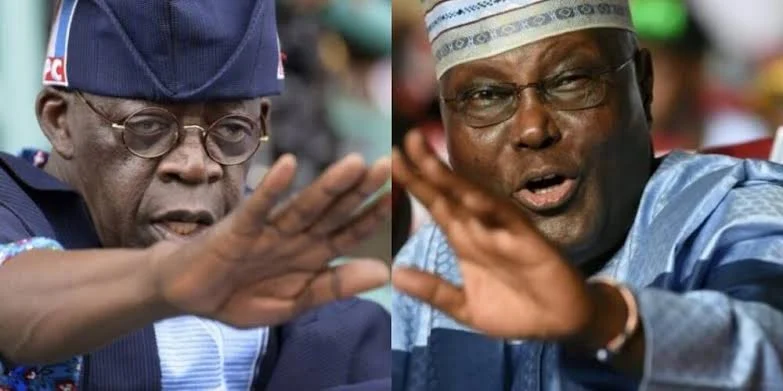
Former Vice-President Atiku Abubakar has sued President Bola Tinubu at the Federal High Court in Abuja, seeking his disqualification from the 2027 presidential election over an alleged forged National Youth Service Corps certificate. The suit was filed on Friday by Atiku, who is the presidential candidate of the African Democratic Congress. He is asking the court to determine whether Tinubu is qualified to contest the next presidential election under the 1999 Constitution and the Electoral Act 2026. Atiku personally appeared at the court registry in Abuja to depose to an affidavit supporting the case, which also names the All Progressives Congress and the Independent National Electoral Commission as defendants.At the centre of the case is an NYSC discharge certificate that Atiku alleges was submitted to INEC by Tinubu. According to the former vice-president, the certificate carries the name “Tinubu Bola Adekunle” instead of President Tinubu’s name, “Bola Ahmed Tinubu.” He further alleged that the certificate was not obtained by Tinubu. Atiku is asking the court to determine whether the alleged submission of the document violates constitutional provisions governing eligibility for the presidency. The suit relies on Section 137(1)(j) of the 1999 Constitution, which provides that a person is not qualified for election as president if they have presented a forged certificate to INEC. Atiku is also asking the court to compel INEC to produce Tinubu’s Form CF001 submitted for the 2023 and 2027 presidential elections.The former vice-president said he had previously requested certified true copies of the relevant documents from INEC but had not received them before filing the case. The legal action comes as political parties and potential presidential candidates begin positioning themselves ahead of the 2027 election.In a separate development on Friday, an ADC chieftain and legal counsel, Kalu Agu, submitted a petition against Tinubu to the European Commission in Brussels, Belgium. The petition also centres on the allegation that Tinubu submitted a forged certificate to INEC.The two actions are separate but focus on the same underlying allegation concerning the president’s electoral documents. The allegations remain claims before the courts and have not been established as facts. Tinubu has not been disqualified from the 2027 election as a result of the suit. The case now places the disputed certificate and Tinubu’s electoral documents before the Federal High Court, where the court will determine the legal questions raised by Atiku and the ADC. The outcome could have significant implications for the 2027 presidential race if the court finds that the allegations meet the constitutional threshold for disqualification.

Osun election: Davido alleges soldiers trying to stop him from entering state
Afrobeats star David Adeleke, popularly known as Davido, has alleged that soldiers are attempting to prevent him from entering Osun State as voters head to the polls for the governorship election. Davido made the allegation early Saturday in a post on his verified X account, hours before voting began across the state.The singer said he had been informed that soldiers were trying to stop him from entering Osun. He insisted that, as a Nigerian citizen, he had the right to move freely within the country. The allegation came as security agencies stepped up operations across Osun ahead of the election. The Nigeria Police Force had announced a restriction of movement throughout the state from midnight on Friday, August 14, until 6pm on Saturday, August 15. The movement restriction was introduced as part of measures to maintain security during the governorship election and prevent incidents that could disrupt voting. Davido’s claim has attracted attention because of his close relationship with the state’s political leadership. He is a nephew of Governor Ademola Adeleke, who is seeking re-election on the platform of the Accord Party. The singer has also openly supported his uncle’s political activities, making his alleged attempt to enter the state particularly significant on election day. However, Davido did not identify the soldiers allegedly trying to stop him or disclose where the incident was taking place. He also did not provide details of whether the restriction was linked directly to the police-imposed movement ban. The allegation comes amid heightened political tension in Osun. The election is being contested by Adeleke and the All Progressives Congress candidate, Bola Oyebamiji, alongside candidates from other political parties. The poll has already been affected by allegations of vote-buying and concerns over security. The APC and Accord camps have accused each other of attempting to influence voters with cash and other inducements. Security agencies have deployed personnel across the state as authorities seek to prevent violence and ensure that voters can cast their ballots. Davido’s allegation therefore adds another layer to concerns surrounding the conduct of the election, particularly over how security measures are being enforced. At the time of the report, there was no response from the Nigerian Army confirming or denying Davido’s claim that soldiers were attempting to prevent him from entering Osun. The situation also highlights the tension between the need for strict security measures during elections and citizens’ rights to freedom of movement. As voting continues, attention will remain on the conduct of security personnel, the safety of voters and political actors, and whether the election proceeds peacefully across the state.
Cleric urges church leaders to reject political endorsements
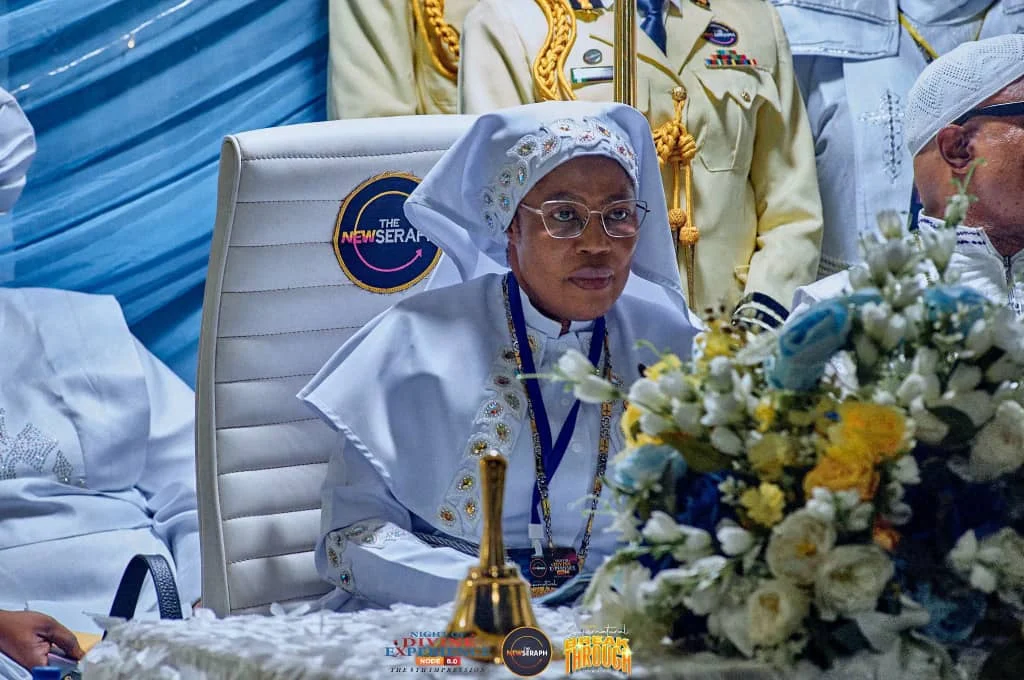
Religious leaders have been urged to remain non-partisan and keep political endorsements away from the pulpit, as Nigeria prepares for another election season. The call was made by the Founder of The New Seraph Evangelical Ministries Worldwide and Iya Aladura General, Dr Oluwaseye Yomi-Sholoye, during the eighth edition of the Night of Divine Experience in Ogun State on Friday. Yomi-Sholoye said church leaders have a duty to protect the spiritual integrity of the church by remaining fair and impartial, regardless of their political affiliations. She warned that turning the pulpit into a platform for political campaigns or endorsements could undermine the church’s spiritual responsibility. According to the cleric, the primary role of religious leaders is to proclaim biblical truths, promote justice and provide spiritual guidance to everyone, irrespective of their political choices.She said religious leaders should also be willing to speak truth to those in power rather than become instruments for promoting political parties or candidates. Her comments come as political activities intensify ahead of Nigeria’s 2027 general elections. Religious leaders and faith-based organisations often command significant influence within communities, making their public positions capable of shaping voters’ choices.Yomi-Sholoye also spoke against vote-buying and other forms of voter inducement. She urged Nigerians not to exchange their votes for money or other material benefits. Instead, she advised voters to assess candidates based on their competence, previous records in public office and plans for development.The cleric made the appeal particularly to voters in Osun State, where the governorship election is taking place on Saturday. She urged eligible voters to examine the records of the candidates before making their choices, noting that several of them had previously occupied political offices. Yomi-Sholoye said voters should consider what the candidates achieved in their previous positions and whether they have the ability to provide effective leadership. The appeal reflects wider concerns about the role of money, religion and political influence in Nigerian elections. While religious leaders can participate in public discussions and encourage citizens to vote, the cleric argued that the church should not become an extension of any political party. She maintained that the pulpit should remain a place where people of different political affiliations can receive spiritual guidance without feeling pressured to support a particular candidate. As Osun voters head to the polls, her message places the responsibility of choosing political leaders firmly on individual voters. She urged them to make informed decisions based on leadership records and competence rather than financial inducements or religious endorsements.
Osun election: APC, Accord accused of offering voters up to N20,000
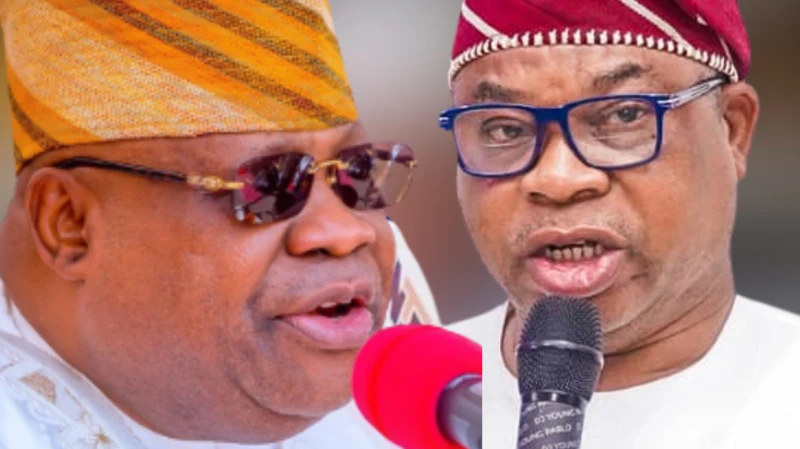
The 2026 Osun State governorship election has been overshadowed by allegations of widespread vote-buying, with the All Progressives Congress and Accord Party accused of offering voters between N10,000 and N20,000 in several parts of the state. The allegations surfaced just before Saturday’s election, with residents and party sources telling journalists that cash and food items had been distributed days before voters were expected to cast their ballots. Governor Ademola Adeleke of the Accord Party is seeking re-election against the APC candidate, Bola Oyebamiji, and other contestants. About 1.9 million voters who collected their Permanent Voter Cards are expected to participate in the election. Reports from several local government areas indicated that the alleged payments varied according to location and party. In Ilesa, residents said APC supporters were offering as much as N20,000 to voters, while Accord was reportedly paying about N10,000 in some areas. In Osogbo, APC members were accused of distributing N15,000 to selected voters across the city’s wards. A party source, however, described the money as assistance for feeding rather than payment for votes. Similar allegations emerged from Iwo, Aiyedire, Ila, Ile-Ife and Ikire. In some areas, residents claimed both parties were distributing money, with supporters adjusting their offers as they competed for voters. In Ila, for example, residents alleged that Accord increased its offer from N10,000 to N20,000, while APC was reportedly offering N15,000. In Ede, Adeleke’s hometown, Accord was accused of distributing N10,000 before APC supporters allegedly responded with N15,000. Some residents also alleged that voters were asked to swear oaths of loyalty after receiving money or other items. Food commodities, including rice, were reportedly distributed in some communities alongside cash. An APC chieftain in Ilesa acknowledged that money had been given to residents but denied that the exercise amounted to vote-buying. He said the cash was intended to help voters with transportation to their polling units. The allegations have raised fresh concerns about the influence of money on the election. The police warned politicians and voters that vote-buying is an electoral offence and said anyone caught engaging in it would be arrested and prosecuted. The warning came as security concerns also grew across the state. Reports indicated that at least eight people were killed between Monday and Friday in incidents linked to violence and clashes in parts of Ilesa and Esa-Oke. The police, however, linked one of the reported killings to a suspected cult clash. Security forces subsequently increased their presence in several locations regarded as potential flashpoints, including communities around Osun’s borders with neighbouring states. The APC and Accord camps also traded accusations over alleged plans to unleash political thugs and attack supporters. The APC accused the Adeleke administration of harbouring suspected hoodlums, while Accord alleged that its members and supporters had been attacked in several communities. Both claims were made by party officials and were not independently established in the report. YIAGA Africa, an election-monitoring organisation, expressed concern that the combination of vote-buying and political violence could undermine the credibility of the poll. Its Executive Director, Samson Itodo, described the level of voter inducement and violence as alarming and urged voters to vote according to their conscience. With the election taking place amid competing cash offers, security concerns and accusations between the major parties, attention now turns to whether voters will be able to cast their ballots freely and whether the electoral process will produce a credible result.
